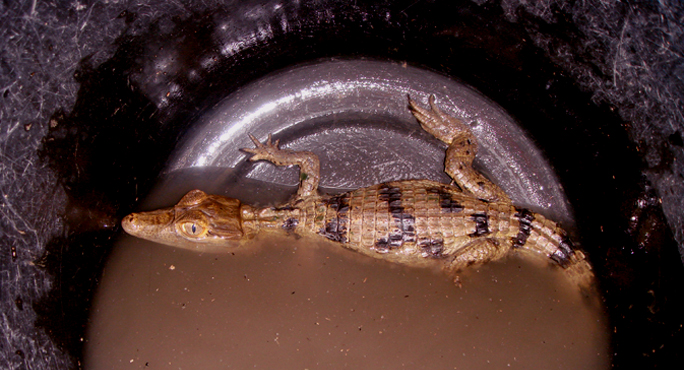
Baby Alligator in Bucket, Amazon. Photo by: Zoe Helene © 2008
I recall as a child that when it rained in the summer, the streets of the beach community in Maine where I vacationed were littered with thousands of tree frogs. I haven’t seen a tree frog there in years. On the beach I used to see horseshoe crabs, sand sharks, skates and jelly fish. At low tide you could stop anywhere and dig clams. I don’t see them anymore either.
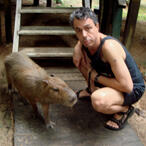
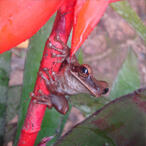
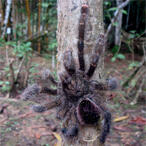
Traveling around the world I am witness to the rapid disappearance of wildlife, almost everywhere. My wife Zoe, too, is struck by the sheer horror of wildlife decline. In parts of the Amazon once heavily populated by monkeys, there are no monkeys left. In the rivers, once abundant alligators and crocodiles are rare. The flocks of wild parrots are greatly diminished. Snakes are caught for the handbag and purse trade. Wildlife everywhere is being caught, killed, threatened, harassed, and depopulated. Despite all the wildlife conservation groups, despite all the petitions, referendums and efforts to preserve the wild, it is being wiped out.
Any effort, large or small, that helps to stem this tide is valuable and badly needed at this time.
SEE ALSO:
Disappearing Resources of the Amazon, Fox News Health
The Importance of Drugs From the Sea: The Nature Conservancy, Fox News Health